.jpg)
.jpg)
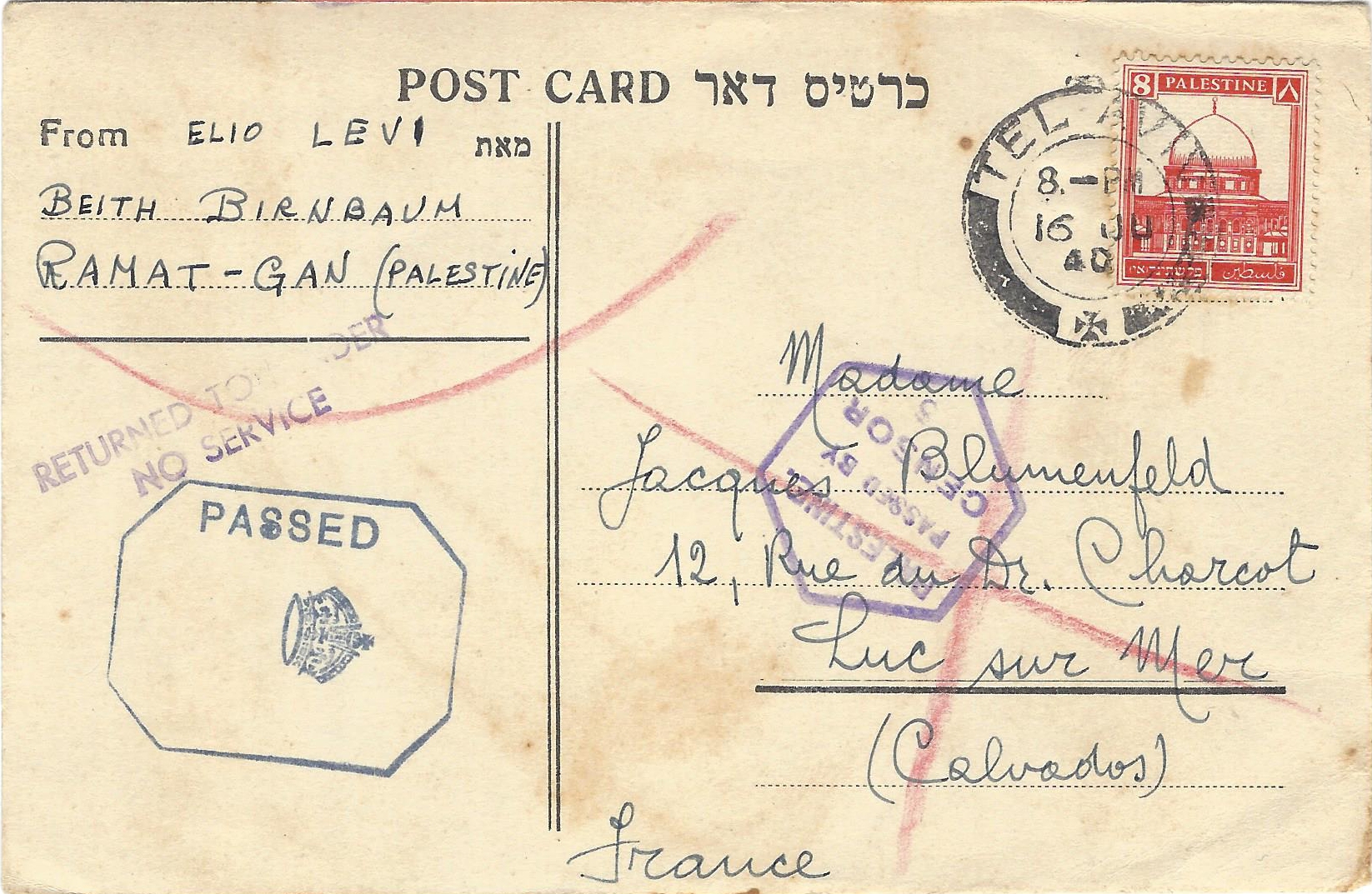
Two items of stamps preserved in the Alexander collection well illustrate the vicissitudes of World War II and the way it negatively affected the daily lives of ordinary people. Another and in-depth look at the identity of the sender and the addressee reveals another layer of the story and presents to the interested party the fate of a Jewish family that was scattered around the world during the 20th century.
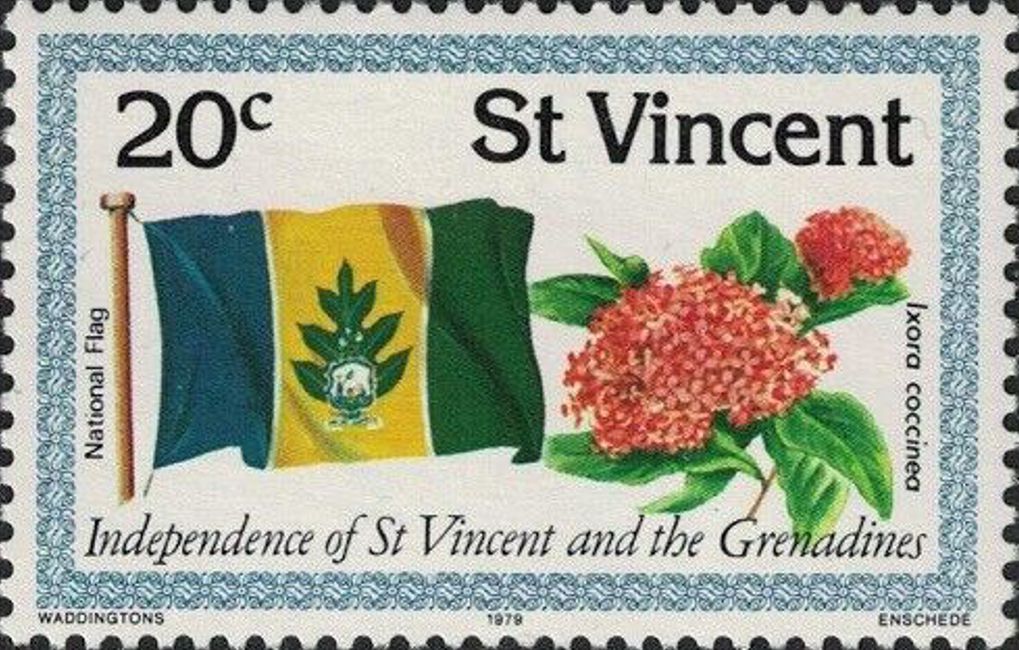
On October 27, 1967, the St. Vincent Post Office issued its first stamps as an independent country.
.jpg)
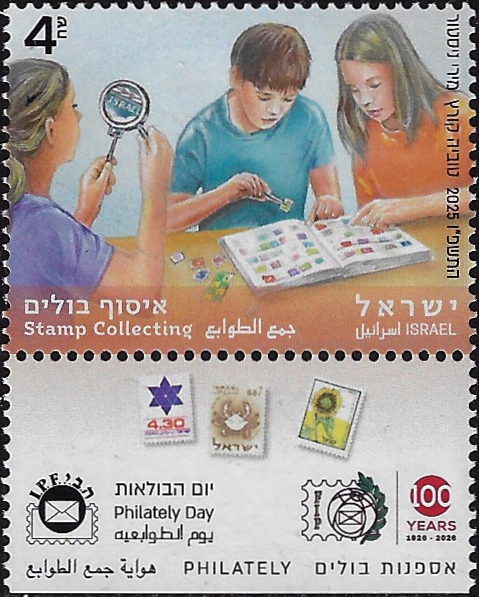
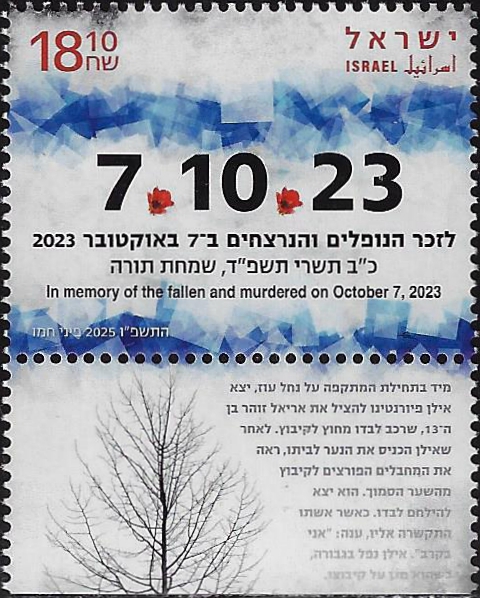
The Ministerial Committee for Ceremonies and Symbols was required to approve each of the stamps issued in the State of Israel. The Philatelic Service submitted the stamps for approval after examining the details of the design and selecting its preferred design. In most cases, the design was approved as is, but sometimes members of the Ministerial Committee chose to require a change in some of the stamp’s components.
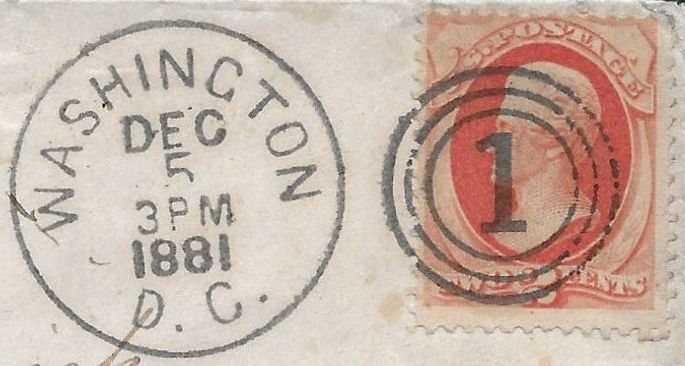
A situation in which the postmark is imprinted partly on the stamp and partly on the envelope, so that it connects the stamp and the envelope and indicates that the stamp is indeed in the place where it was originally affixed.
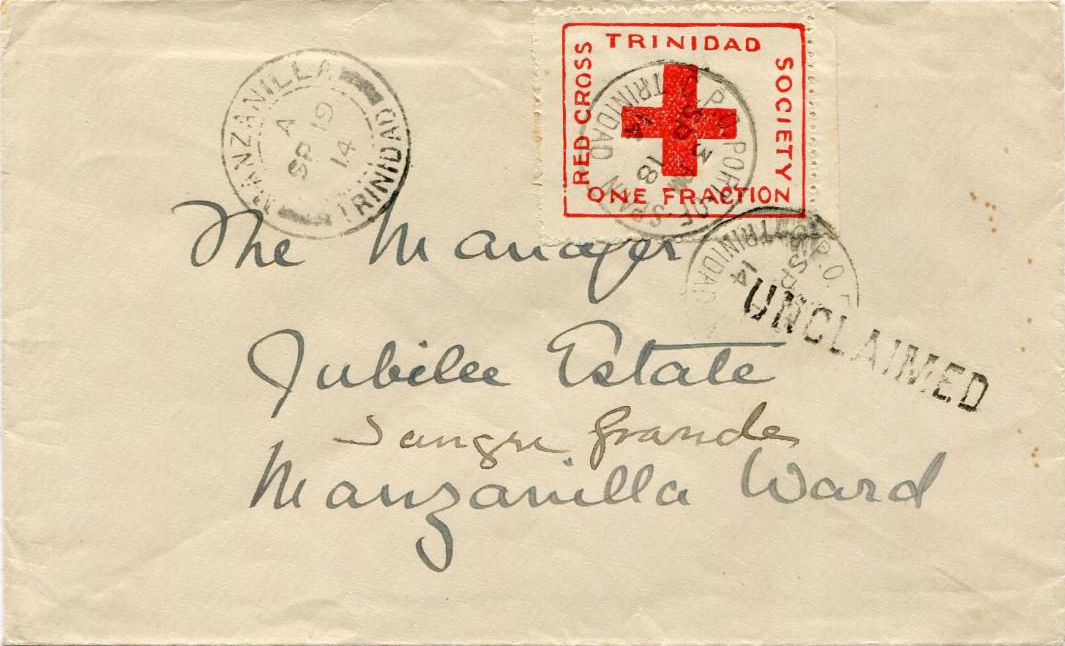
An envelope sent on the island of Trinidad documents an attempt by the local charity to collect donations for the Red Cross during World War I. The course of events turned this activity into a philatelic curiosity.
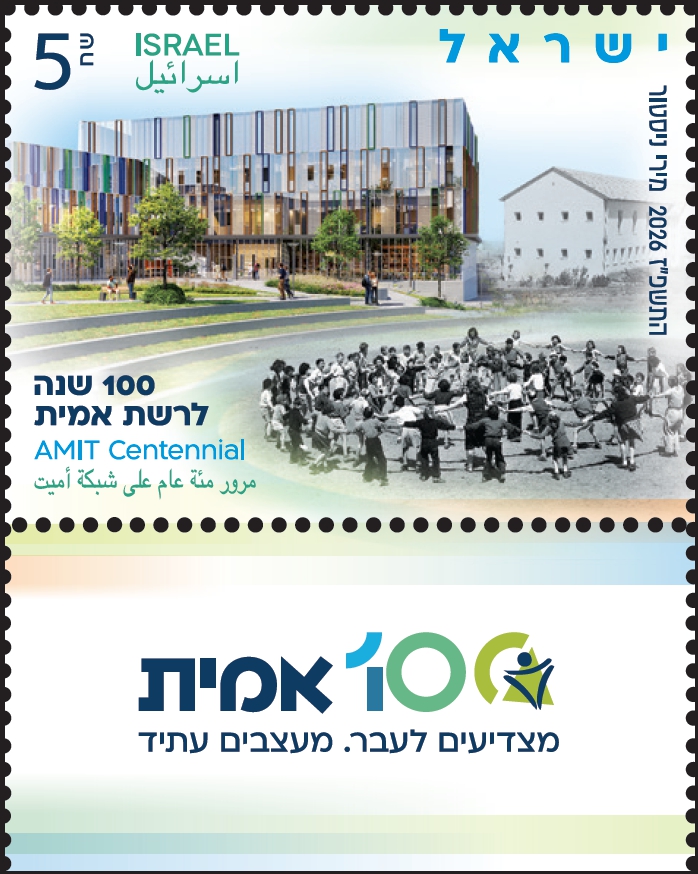

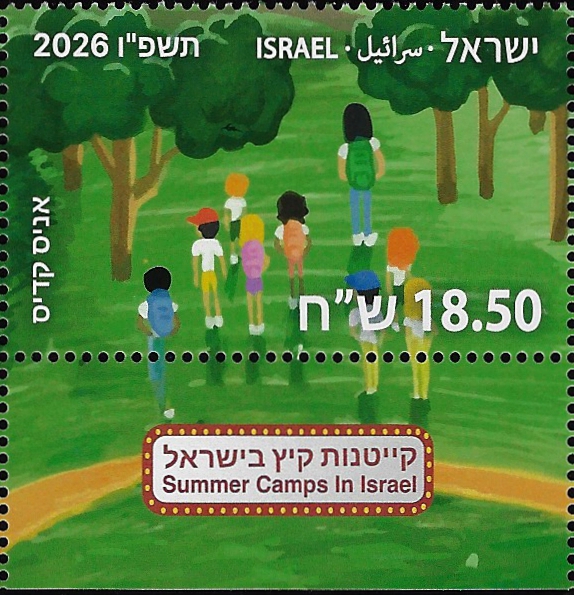
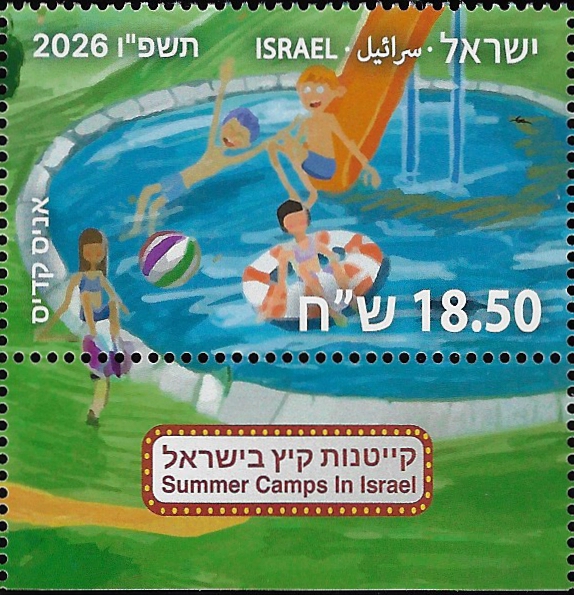
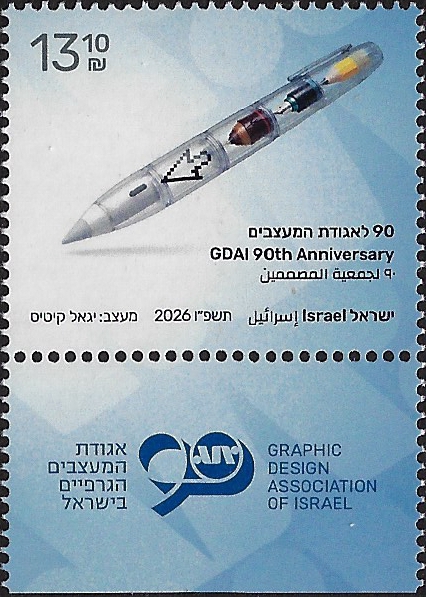



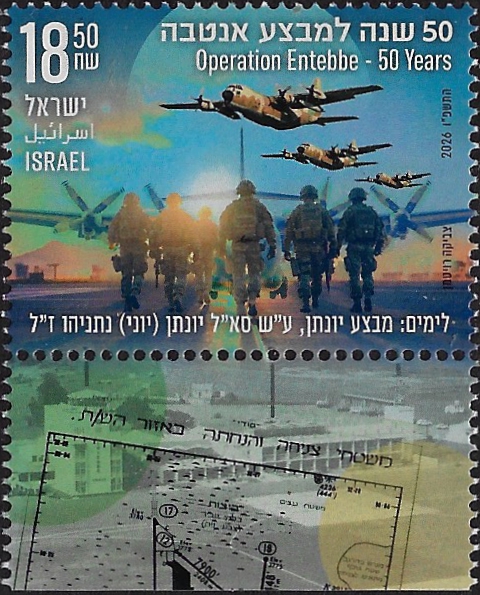
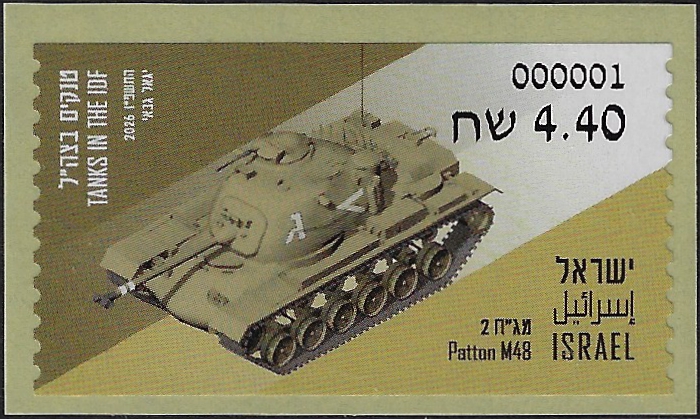

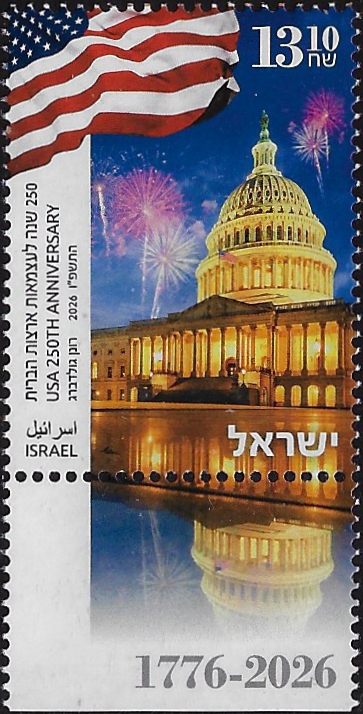
.jpg)
.jpg)


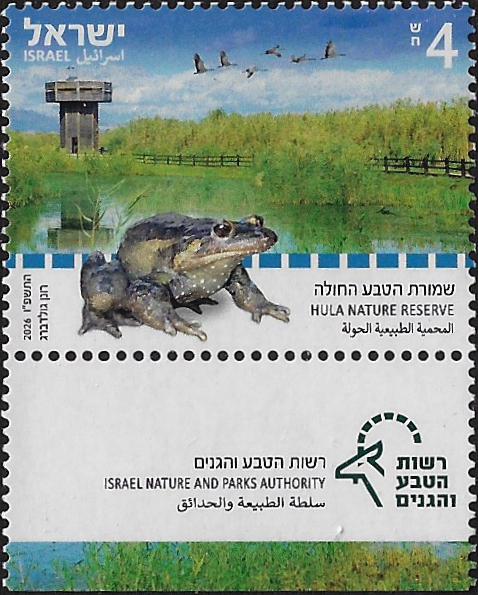
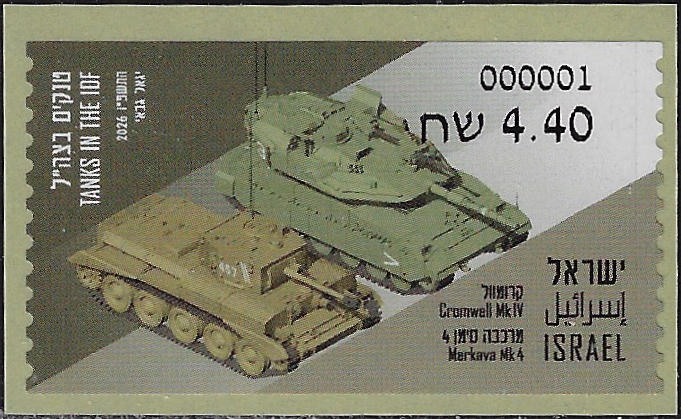
.jpg)
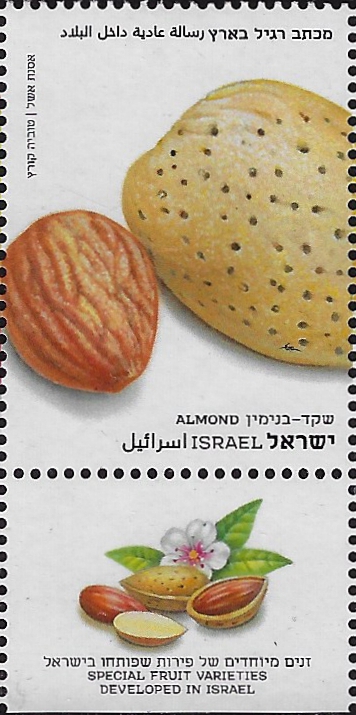

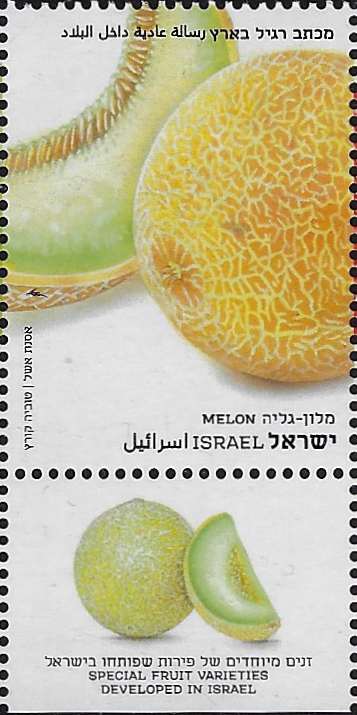


.jpg)